Food Industrial Area in Basirma
Project Overview:
Food Industrial Area in Basirma.
Estimated budget needed: 1,250,000 USD.
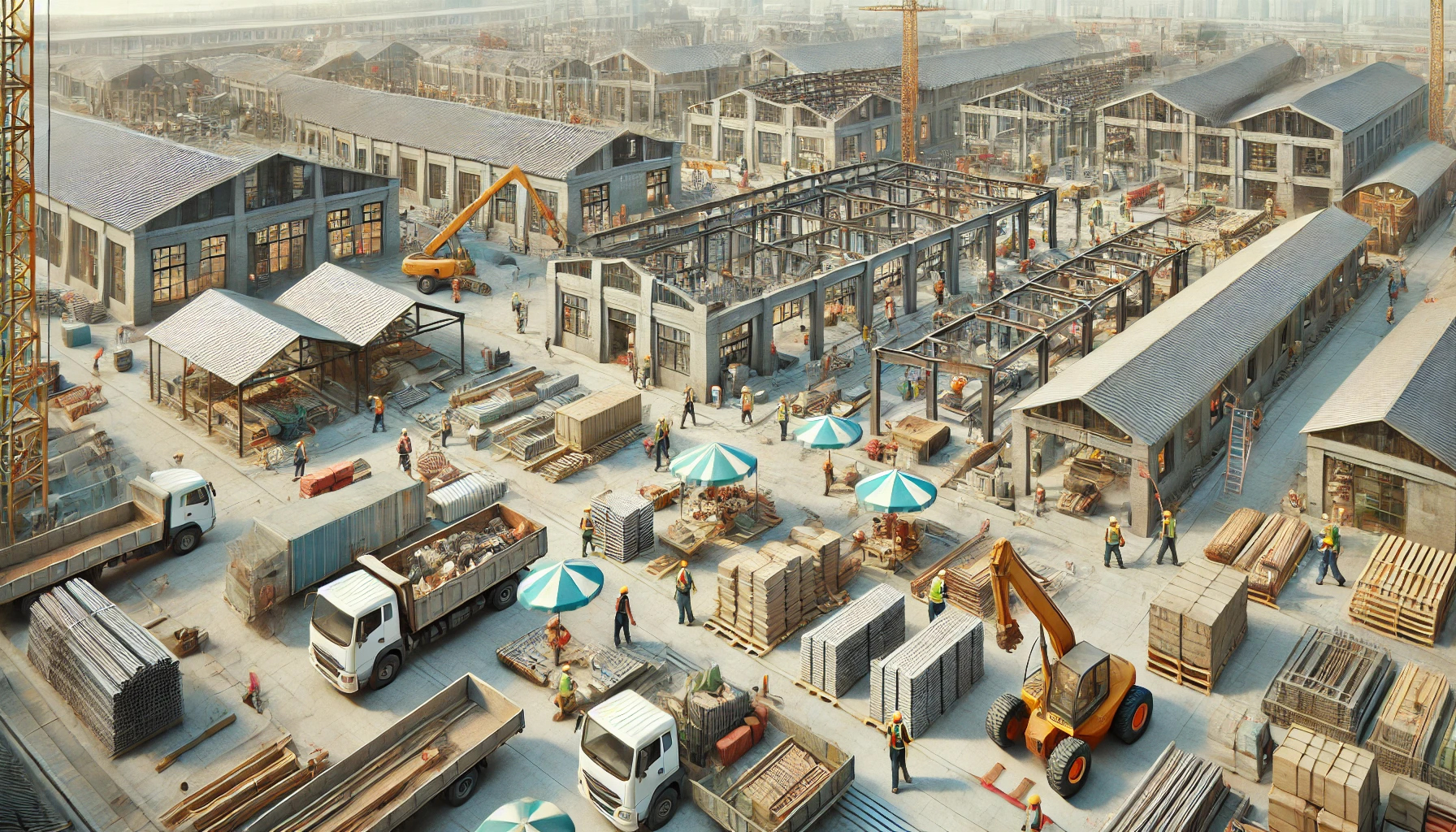
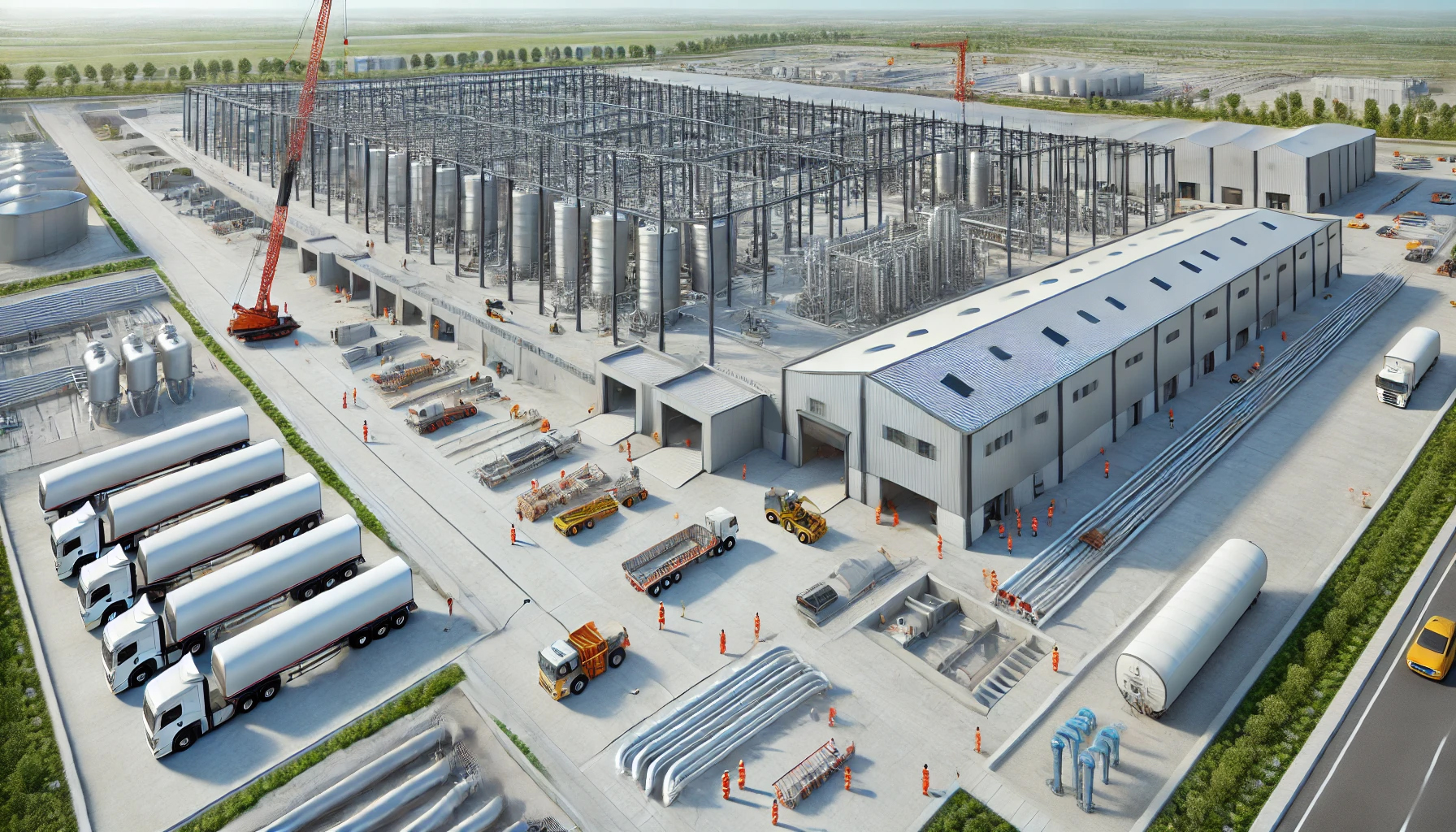
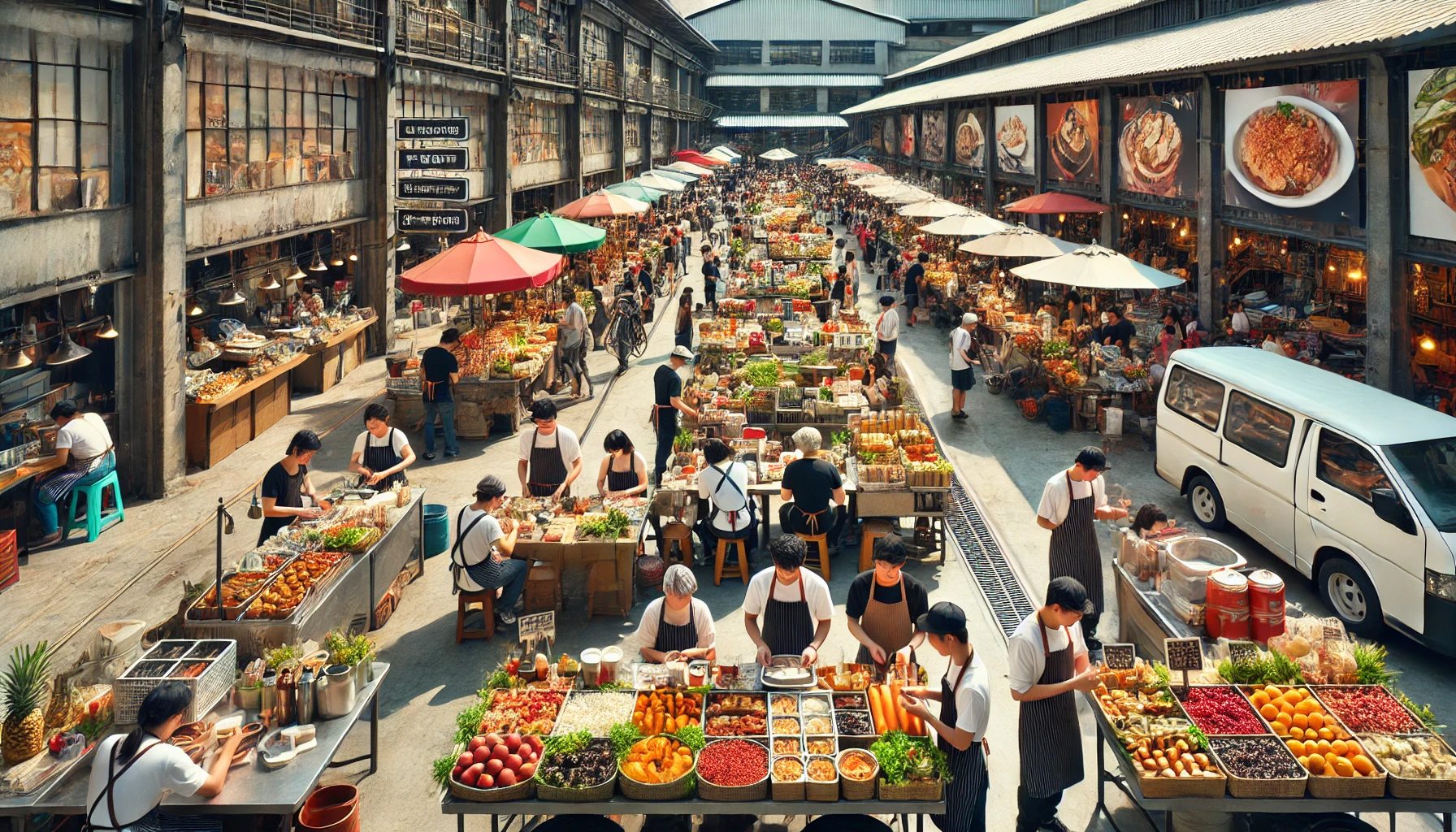
The Basirma food industrial area is designed to serve as a central hub for receiving, processing, and distributing local agricultural and livestock products. It will focus on employing and empowering refugees, host communities, and internally displaced persons (IDPs) in the area. The industrial area will serve as a vital part of the local economy, promoting sustainable food processing, providing employment opportunities, and enhancing food security, can be broken down as follows:
Project Objectives:
- Establish a Food Processing Facility: Receive, process, and package local fruit, vegetables, and animal products. Use modern techniques for canning, drying, freezing, and packaging to extend shelf life and maintain quality.
- Support Local Agriculture and Livestock:Create a market for local farmers and livestock owners by purchasing their produce and animal products.
- Empower Refugees, IDPs, and Host Communities:Provide employment and skill-building opportunities to refugees, IDPs, and local community members. Promote social cohesion by involving all community groups in the project management and operations.
- Enhance Food Security:Increase the availability of processed and preserved food products for local consumption and export.
Scope of Work:
- Site Development and Infrastructure:
- Secure land in the Basirma area for the establishment of food processing units.
- Construct necessary facilities, including processing plants, storage warehouses, cold storage units, and distribution centers.
- Install essential utilities such as water supply, electricity, and waste management systems.
- Processing Units:
- Fruit and Vegetable Processing: Sorting, cleaning, cutting, canning, drying, and packaging.
- Animal Product Processing: Slaughtering, meat processing, and packaging, dairy product processing (milk, cheese, yogurt). Canning and Packaging: Establish lines for canning products such as tomato paste, pickles, canned fruits, and vegetables, as well as frozen meat and dairy products.
- Marketing and Sales: Develop branding and marketing strategies to sell processed products locally and regionally. Partner with retail chains, supermarkets, and local vendors to create a distribution network. Explore potential for export to neighboring regions or international markets.
- Sustainability and Social Impact: Incorporate environmentally sustainable practices, including waste reduction, water conservation, and renewable energy use. Monitor and evaluate the social impact of the project on refugees, IDPs, and host communities, ensuring equitable access to job opportunities.
Key Stakeholders:
- Refugees, Host Communities, and IDPs: The project will actively involve these groups in all stages, from labor to management roles, ensuring inclusive participation.
- Local Authorities and Government Agencies: Support will be sought from local government for land allocation, legal permits, and tax incentives.
- International NGOs and Donor Agencies: Seek partnerships with humanitarian and development organizations for funding, technical assistance, and capacity-building programs.
- Private Sector: Collaborate with private investors and food distribution companies to ensure market access and financial sustainability. This project will not only create economic opportunities for the community but also contribute to local food security, making it a sustainable and impactful initiative for the Basirma area.
The Food Industrial Area will support various industries, including food processing, packaging, and distribution, ultimately benefiting both local businesses and residents.
If you to fund the project or have any questions or need more information, please feel free to contact us
Contact Information:
Email: [email protected]
Phone: +964 750 123 4567 (test)
Address: Iraq - Kurdistan Region - Erbil - EJCC office