Implementation of the mapped plan for the treatment of new water sources for Erbil City
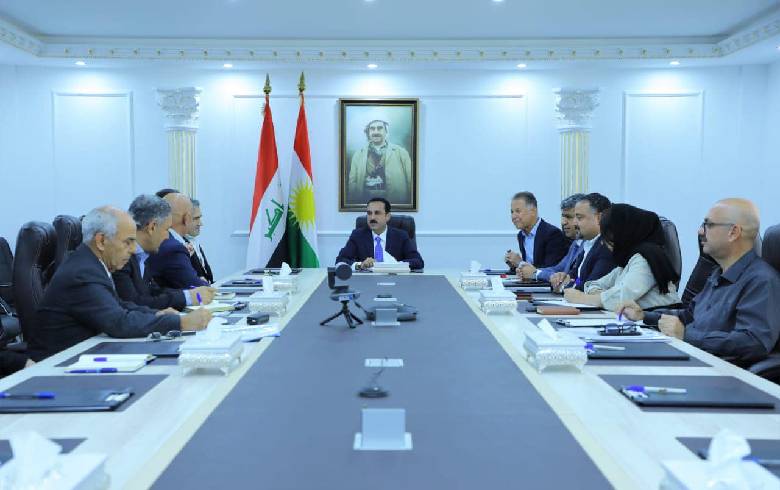
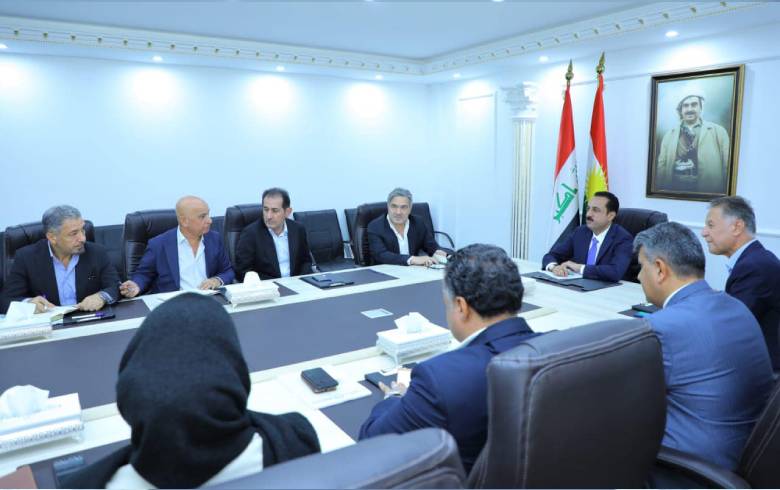
Today, Wednesday, November 9, 2022. Erbil Governor, Omed Khoshnaw held a special meeting at the governorate council with Beacon, Broad Power and Ekotik to discuss mechanisms and alternative solutions for drilling artesian wells and using groundwater reserves to secure potable water. During the meeting, which was attended by Deputy Governor, Masoud Karash and the Director of Erbil Water, the Governor of Erbil pointed to the importance of preserving groundwater and not depleting its stockpiles, stressing the need to secure safe water for all areas of Erbil, especially those suffering from a crisis during the summer. The meeting discussed mechanisms to secure the necessary budget for the implementation of the project of filtering and desalination of water on the Upper Zap River to be an alternative to drilling wells and the use of groundwater, through soft loans from companies. At the end of the meeting, the participants stressed the need to provide a thorough study of the project, and that dependence on wells and the continuation of the drought situation in the region will undoubtedly lead to the depletion of groundwater reserves. Erbil governorate faces more water shortages than any other area in the Kurdistan Region, especially after 300 wells dried up this year, prompting the governorate to prepare a special plan to reduce the negative effects of water shortages. The governorate had indicated last summer that it had two plans: the immediate plan, and a long-term plan, as the next plan includes the need to drill more wells, pointing out that solving the problem of water shortages in the long term in Erbil represents a strategic project that requires large funds, because it addresses a strategic problem. It is the most appropriate and best solution to reduce water shortages or a drinking water crisis in the coming years. To mitigate the impact of drought and water shortages in Erbil, the ninth ministerial cabinet of the Kurdistan Regional Government has allocated more than seven billion dinars to drill 138 wells.